A Tanzanian smartphone now does much more than replace cash at a shop. It can move money between a bank and a wallet, pay a merchant, receive funds from abroad, buy a service online and leave a transaction record that both sides can check. The Bank of Tanzania reported 75.78 million active mobile-money subscriptions in 2025, up 24.74% from the previous year, while the agent network reached 1.98 million. Cash is losing exclusivity. The shift is visible at both a street kiosk and a formal retail counter.
Mobile Money Has Moved Past Person-to-Person Transfers
The early appeal of mobile money was simple: send value without visiting a branch. By 2025, Tanzania recorded 7.96 billion mobile-payment transactions worth about TZS 255.1 trillion, showing how far the system has moved into routine commerce. Mobile platforms now support merchant payments, bill payments, savings services, and transfers between financial accounts rather than functioning only as person-to-person channels. A salary, family transfer or business payment can move digitally without first being converted into cash.
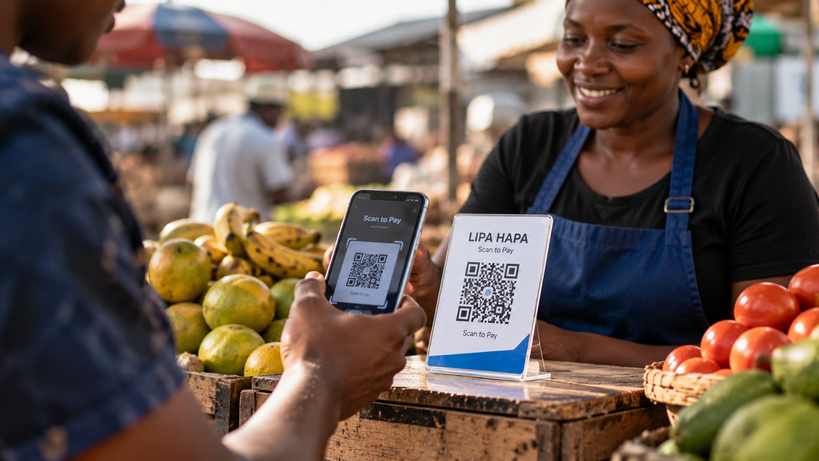
QR Codes Are Turning Shop Counters Into Payment Points
Merchant acceptance changed sharply in 2025. The number of merchants taking digital payments more than doubled from 1.33 million to 2.79 million, helped by TANQR, Pay Number and other acceptance infrastructure. By the end of the year, 27 payment-system providers had subscribed to and deployed TANQR, allowing customers to use a standardized interoperable QR framework across participating services. The phone is the counter.
Betting Apps Use the Same Payment Habits
Online entertainment sits on top of the same habits people use for shopping and transfers: sign in, choose a service, authorize a payment, and keep a digital record of the transaction. An adult who decides to install Melbet app is entering a mobile service where account access, deposits, withdrawals, and transaction history matter alongside sports markets or casino games. Betting adds its own mechanics, because odds can move before a wager is confirmed, while casino games may use RNG, RTP, and volatility, but the payment step still depends on ordinary digital infrastructure. A useful mobile experience therefore needs clear amounts, reliable authentication and payment methods that actually work in the user’s market.
Instant Payments Are Reducing the Gaps Between Systems
The Tanzania Instant Payment System, or TIPS, has become an important piece of that plumbing because it supports real-time transfers across participating financial institutions. In 2025, the Bank of Tanzania enhanced TIPS to support incoming international money transfers, allowing funds from abroad to enter the instant-payment infrastructure under stronger oversight. The same year, ISO 20022 messaging was implemented in TISS to improve the structure and quality of payment information exchanged between institutions. These changes are technical, but their effect is visible when systems can exchange richer payment data without relying on manual reconciliation.
Apps Now Carry Finance and Entertainment Side by Side
Smartphone users increasingly expect financial actions to sit inside the same device that handles messaging, shopping, transport and entertainment. The phrase Melbet Ghana apk belongs to that app-centered environment: the service still has to manage login, payment choices, account history and device security before any sports or casino feature becomes useful. Mobile banking apps face the same test when a customer scans a TANQR code or transfers money to a wallet, because the transaction must be understandable before confirmation and traceable afterward. Good design does not replace payment infrastructure; it exposes it cleanly.
The Next Problem Is Trust at the Moment of Confirmation
Growth creates more chances for mistakes as well as more convenience. The Bank of Tanzania has kept cybersecurity, consumer protection, and risk-based oversight inside its payment-system agenda while pushing wider use of digital channels. For an everyday user, the practical checks remain basic: confirm the recipient or merchant name, check the amount, protect the PIN or biometric login, and keep the transaction reference when money moves. A system processing billions of mobile transactions works best when the person holding the phone can still understand exactly what will happen after tapping “confirm.”