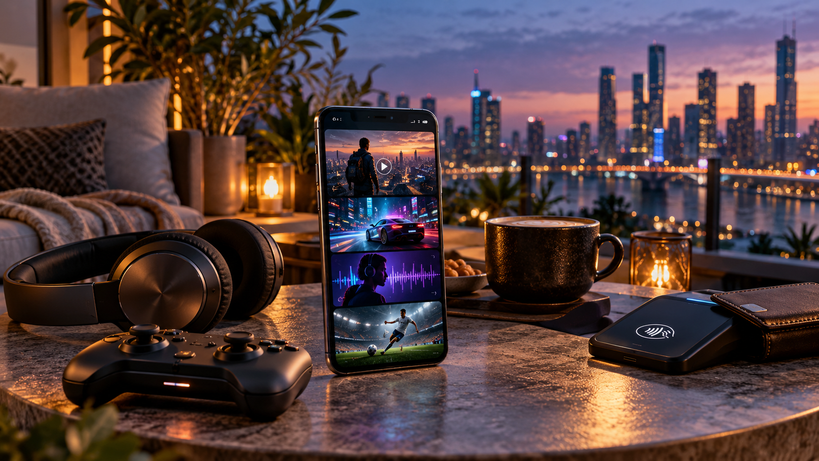
Tanzania entered 2026 with 89.0 million active cellular connections and 20.6 million internet users, a useful measure of how much everyday digital activity now sits inside a handheld device. More than 90% of those mobile connections were classified as broadband connections using 3G, 4G or 5G networks, although one person can own multiple SIMs. A smartphone can now replace a television remote, portable game console, payment terminal, music player and part of a laptop workflow without asking the user to change rooms or devices. The shift is practical rather than theatrical.
The Phone Absorbed the Remote Control
Streaming apps turned the screen into an on-demand television, while services such as YouTube, Netflix and FIFA+ made video available beside messaging, social feeds and mobile games. Cloud services add another layer: Google Photos and iCloud can keep media synchronized, while Drive can move working files between a handset and computer without a cable. Saved progress in connected games can also follow the player from one device to another instead of remaining trapped on local storage. A commute, lunch break and evening at home can therefore use the same accounts and entertainment library.
Payments Removed the Checkout Detour
The Bank of Tanzania recorded 7.96 billion mobile-payment transactions in 2025, up 24.1% from 2024, while their total value increased 28.3% to about TZS 255.1 trillion. That scale helps explain why subscriptions, in-app purchases and other digital services fit naturally into the smartphone routine: payment no longer requires moving to a desktop or visiting a physical counter. Tanzania’s instant-payment infrastructure and TANQR have also widened the situations in which a phone can complete a transaction. The entertainment screen is now a wallet as well.
Mobile Gaming Has Split Into Very Different Products
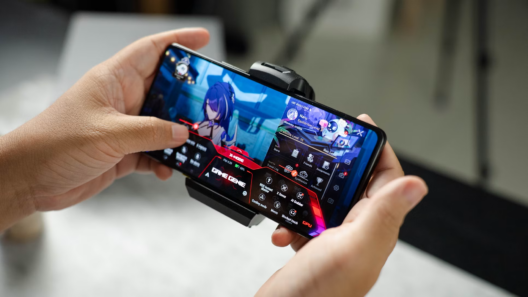
Gaming on a smartphone ranges from free-to-play titles and cloud-linked games to adult casino products, and those categories should not be confused simply because they share the same screen. Slots use RNG-generated outcomes, while crash titles such as Aviator use a rising multiplier and a cash-out decision before a random crash point. Adult users researching MelBet promo code zambia can currently find GUIDE777 in the operator’s GuideBook, although eligibility, bonus amounts and wagering conditions can depend on the current promotion and jurisdiction. The useful comparison is between game mechanics, RTP, volatility, and bonus terms rather than expecting a previous casino round to forecast the next one.
What Is a Sports Bet Calculator Actually Calculating?
For someone learning how to bet on sports, a calculator is a mathematics tool rather than a prediction engine: under decimal odds, potential return is simply the stake multiplied by the quoted price. That answers the query “what is a sports bet calculator” without pretending arithmetic can predict a goal, knockout, or tennis break. A sports bet still depends on the event, so adults who bet on sports can compare form, injuries, starting lineups and market prices before choosing a stake. The ability to bet any sports market listed by a mobile sportsbook becomes more useful when statistics, transaction history and the bet slip are accessible without rebuilding the session on another device.
One Screen Now Carries Several Entertainment Modes
A phone can move from a football stream to messaging, a mobile game, cloud storage or a sportsbook in a few taps, which is why app design increasingly favors continuity between short sessions. Current MelBet materials describe mobile access to pre-match and live sports markets alongside casino sections and account functions, with Android and iOS options available. An adult using Melbet for a sports market can therefore keep the bet slip, account history and other services inside one mobile environment while checking independent match data elsewhere. The practical advantage is fewer interrupted steps, especially when a live match is already occupying most of the user’s attention.
Hardware Still Sets the Ceiling
Tanzania’s connection totals do not mean every user owns a fast handset capable of high-resolution streaming, cloud gaming and several background apps at once. In March 2026, the GSMA selected Tanzania as one of six African countries for pilots designed to expand access to entry-level 4G smartphones in the roughly $30–40 price range, directly addressing device affordability. App size, battery consumption, video resolution, and local storage therefore still determine whether an all-in-one entertainment experience feels smooth on real hardware. The smartphone has become the hub, but the quality of that hub still depends on the device in the user’s hand.